
Habitats
Planet Zoo 2 habitat guide: barriers, terrain sculpting, aviaries, aquariums, water quality, filtration and guest viewing to build beautiful, functional habitats.
Introduction
The Habitats hub is the construction manual for Planet Zoo 2's heart: the spaces your animals live in. It covers standard habitat building from the ground up — planning the footprint from species requirements, sculpting terrain, painting ground types, placing barriers with keeper gates and paths, and adding foliage, rocks and enrichment. Beyond the basics, this hub explains the game's brand-new specialty exhibits: custom aviaries with mesh covers for fully flying birds, and freshwater or saltwater aquariums with filtration and water-quality management for aquatic species. Every build here is explained step by step, with the welfare and guest-viewing considerations that separate a functional enclosure from a spectacular one.
Habitat Building Blocks
| Habitat Type | Key Component | Species | Difficulty |
|---|---|---|---|
| Standard Habitat | Barrier + Keeper Gate | Lion, panda, rhino | Easy |
| Aviary | Mesh Cover + Perches | Toucan, secretary bird | Medium |
| Freshwater Aquarium | Filter + Skimmer | Fish, turtles | Medium |
| Saltwater Aquarium | Protein Skimmer + Current | Reef shark, rays | Hard |
| Walkthrough Exhibit | Guest Path Through | Lemurs, birds | Medium |
| Mixed-species Habitat | Compatible Enclosure | Chimpanzee + monkeys | Hard |
Build Blueprints
Standard Habitat Build
The workhorse build: barrier, gate, paths and enrichment for any land animal.
Custom Aviary
Build a mesh-covered enclosure where flying birds genuinely take off and perch.
Saltwater Aquarium
Home for reef sharks and sea turtles with serious filtration requirements.
Walkthrough Exhibit
Let guests walk inside the exhibit for an unforgettable close-up view.
Freshwater Aquarium
Fish, turtles and freshwater plants in a clear tank.
Mixed-Species Habitat
Combine compatible species for richer guest value.
Core Mechanics
Habitat construction in Planet Zoo 2 relies on a few core systems that work together. Terrain and water tools reshape the ground your habitat sits on; flatten, paint, sculpt and stamps let you build realistic biomes in minutes, then water tools add depth, colour and customisation for aquatic features. Barriers define the boundary — glass panels for viewing, fences for grazing animals, null barriers to hide the edge, and mesh covers for aviaries. Keeper gates and service paths connect the habitat to staff facilities so keepers can feed and clean without crossing guest areas. Water quality is a system of its own: filtration, temperature and salinity keep aquatic life healthy, and aquarium habitats need the right filter, skimmer and heater combo to stay in the green. Enrichment items and foliage feed the welfare loop, and guest viewing areas turn happy animals into satisfied, spending visitors.
Advantages
Habitat building is the most visual and shareable skill in Planet Zoo 2, so this hub captures high-intent construction searches — aviary, aquarium, habitat size and barrier types. The step-by-step format suits both beginners following along and veterans refining technique, and the tools it teaches (terrain, water, barriers, enrichment) apply to every other build in the game. Because aviaries and aquariums are new, players searching for them have almost no mature guide coverage elsewhere, giving these pages strong early ranking potential and a clear opportunity to become the reference players bookmark before starting their first custom enclosure. The tools taught here transfer directly to guest plazas and staff zones, so mastering habitats makes every part of your zoo better.
Challenges
Habitat advice is species-sensitive: a build that works for a lion with grassland needs may fail for a panda that needs cold forest or a shark that needs stable saltwater, so every blueprint in this hub should be treated as a starting template rather than a universal solution. The physical space requirements also depend on your zoo's footprint and guest flow, meaning exact dimensions from guides are reference points, not absolutes. Water chemistry and mesh-covered aviary construction can be fiddly on console, where the radial menu can feel slower than keyboard shortcuts, and some players find the barrier snapping frustrating until they learn the alignment tools — patience is required for the first few builds, but the workflow becomes second nature quickly.
Frequently Asked Questions
What is the best barrier type in Planet Zoo 2?+
How does aquarium filtration work?+
Can I keep different species in one habitat?+
How much room does a habitat need?+
Quick Tips
Plan the habitat backwards from the viewing spot. Decide where guests will stand first, then place the barrier and any glass panels so the best animals and water features face the walkway. This prevents the classic mistake of a beautiful habitat with the scenic side facing a service road, and it makes your viewing areas feel intentionally designed rather than accidentally placed.
Install a service gate even if you plan a walkthrough. Keepers need access to food and cleaning without crossing the guest path, and a small staff-only door at the rear of the habitat keeps welfare tasks invisible and guests undistracted. It also gives you a clean entrance for releasing animals into the reserve system later.
For aquariums, tune water chemistry before adding fish. Fill the tank, run the filter for a full in-game day, check the water quality bars, then stock. Adding fish to unstable water triggers stress and disease — and later fixes are far more expensive than a patient start, so let the tank cycle before you spend credits on livestock.
Featured
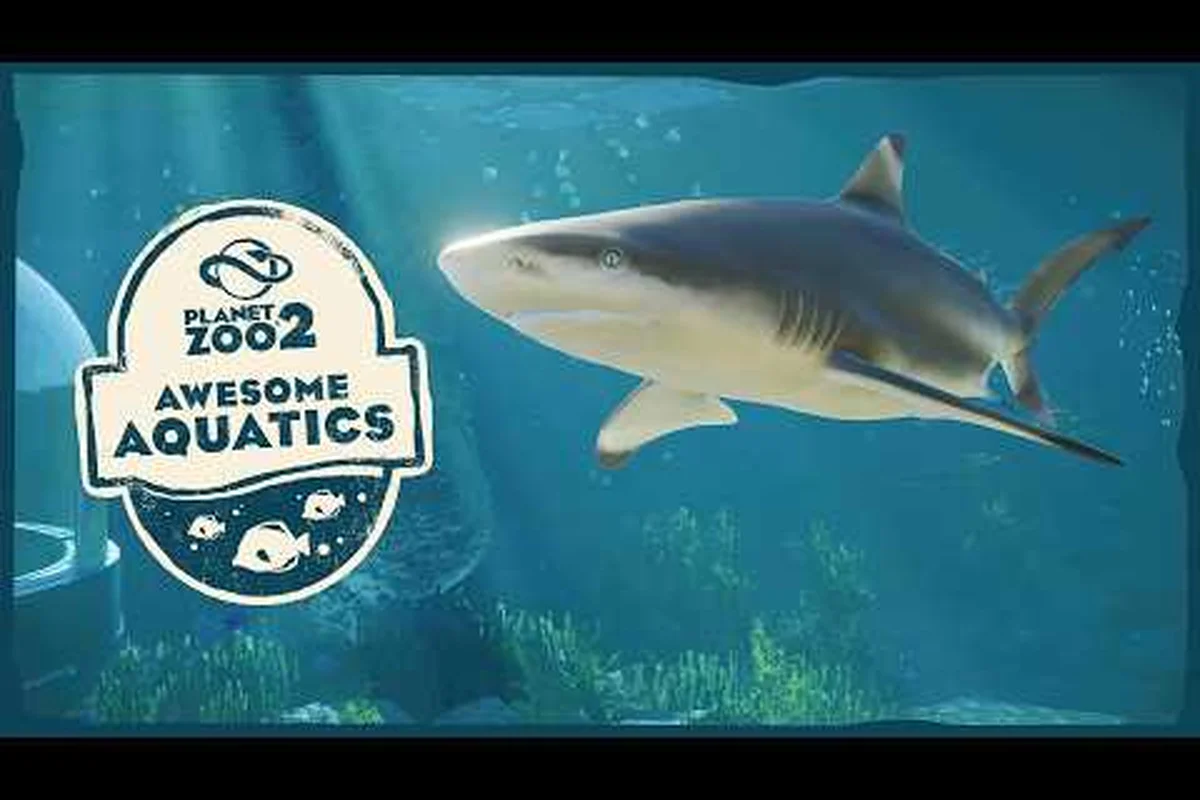
Planet Zoo 2 Freshwater Aquarium: Build & Filtration
Set up a Planet Zoo 2 freshwater aquarium with the right tank size, filtration, and water quality targets so fully aquatic species thrive.

Planet Zoo 2 Habitat Guide: Sizes, Barriers & Design Tips
Design thriving habitats in Planet Zoo 2 with this habitat guide — correct sizes, barrier choices, and layout tips that keep welfare levels high.

Planet Zoo 2 Keeper Gate: Habitat Entrances & Paths
Place a Planet Zoo 2 keeper gate correctly, connect staff paths, and design multi-species enclosures that let keepers work without disturbing animals.
All Articles
Planet Zoo 2 Null Barrier: Invisible Walls & Habitat Fencing
Use the Planet Zoo 2 null barrier for invisible habitat walls — when to pick it over traditional fences, terrain sculpting tricks, and foliage tips.
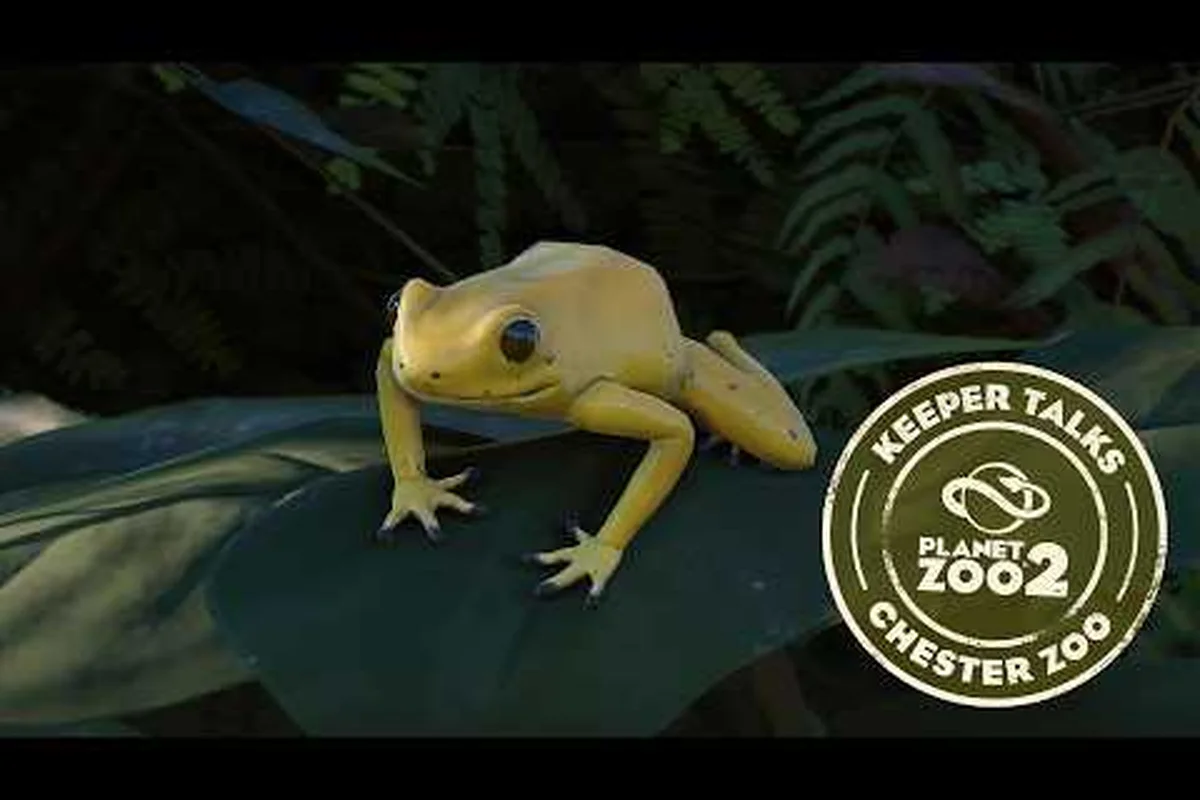
Planet Zoo 2 Exhibit Guide: Temperature, Enrichment & Welfare
Build better Planet Zoo 2 exhibits with the right temperature controls, heating and cooling, and enrichment placement that keeps small animals and visitors happy.
Planet Zoo 2 Habitat Comfort: Glass Panels, Viewing & Power Setup
Upgrade Planet Zoo 2 habitat comfort with underwater glass viewing, smart power line placement, and utility routing that keeps animals content and guests watching.

Planet Zoo 2 Rocks and Plants: Habitat Decor Guide
Decorate Planet Zoo 2 habitats with the right rocks, plants, and foliage to enrich terrestrial exhibits, build mesh aviaries, and stage natural aquarium interiors.