
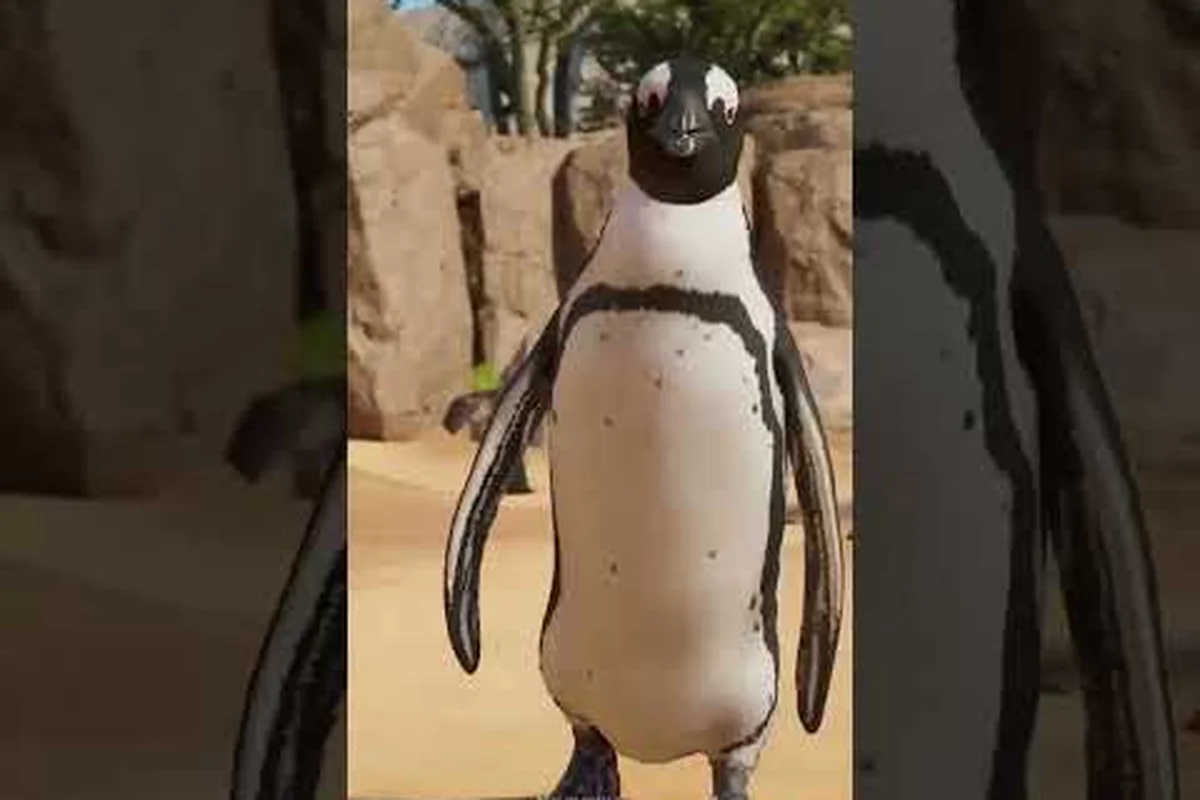
Planet Zoo 2 launched on 13 October 2026 with a 130-plus species roster, and this Planet Zoo 2 animal roster guide walks through every category straight from the in-game Zoopedia. Whether you are planning a savanna exhibit around a pride of lions or wiring up the first fully aquatic tank, the species list has grown in ways that change how you build. The Zoopedia is the single best reference for stats, biome, and welfare needs, and pairing it with a clear roster overview is the fastest way to plan a zoo that actually thrives.
What the Planet Zoo 2 Zoopedia Tracks for Every Species
The Zoopedia is the central database for every animal you adopt, release, or rescue across both Zoo and Wildlife Reserve modes. According to the Planet Zoo 2 Zoopedia (Official Species Database), each entry bundles together biological facts, preferred biome, social group size, diet, and the welfare needs that drive your day-to-day management decisions.
Entries are organised in two parallel layers: a real-world biology profile and a gameplay stat block. The biology layer mirrors what you would see in a field guide, while the gameplay block surfaces the sliders and meters that determine fertility, lifespan, and stress inside your park. Knowing which layer to look at is the difference between building a pretty exhibit and building a sustainable one.
Core Stat Categories You Will See Repeated
Every Zoopedia page surfaces the same six stat categories, so once you learn the layout you can read any species in under a minute. The table below summarises what each category controls and why it matters for your roster planning.
| Stat Category | What It Measures | Why It Matters for Your Roster |
|---|---|---|
| Biome | Native habitat type (temperate, tropical, arid, aquatic, etc.) | Drives climate and foliage choices in the exhibit |
| Social Group | Minimum and maximum group size | Determines how many individuals you must adopt together |
| Diet | Herbivore, carnivore, omnivore, piscivore, or insectivore | Sets the feeder type and food prep chain |
| Welfare Needs | Space, enrichment, temperature, water depth | Defines the resource floor for animal happiness |
| Conservation Status | In-game equivalent of the IUCN tier | Unlocks release options and conservation credits |
| Habitat Compatibility | Which other species can share the space | Enables mixed-species exhibits without conflict |
These six categories act as a planning lens across the whole roster, and the rest of this guide uses them to group species into workable build buckets. If you want the full species-by-species list in one place, the Planet Zoo 2 animals list breaks every entry out with screenshots and stat callouts.
How the Roster Is Organised by Habitat Type
The roster is not a flat list — it is sorted into habitat families that map directly onto exhibit blueprints. Grouping by habitat helps you plan a zoo where visitor paths, staff routes, and back-of-house barriers all line up. Below is a quick map of the major families and what kind of build each one invites.
| Habitat Family | Example Species | Recommended Exhibit Style |
|---|---|---|
| Tropical Rainforest | Western chimpanzee, Javan green magpie | Dense foliage, covered shelter, water feature |
| Open Savannah | African lion, common ostrich | Wide walking paths, large grazing area, shade |
| Tundra & Boreal | Reindeer, snowy owl | Snow machines, insulated den, cold-water pool |
| Arid Grassland | Black rhinoceros, Addax | Sandy substrate, scrub cover, dust wallows |
| Freshwater Aquatic | New fish species (Piranha, Arapaima) | Glass tunnel, deep tank, water-quality rig |
| Coastal & Wetland | Wading birds, pelicans | Boardwalk, shallow pool, naturalistic shores |
| Mountain & Cliff | Markhor, ibex | Vertical climbing terrain, raised viewing deck |
Each habitat family also pulls a different mix of staff roles — keepers, vets, and security — and a different enrichment load, so the habitat is the right unit of planning rather than the individual species. A Tropical Rainforest build with chimpanzees will demand more than one senior keeper running a dense enrichment rotation (scattered browse, puzzle feeders, climbing structures) plus a vet on call, while an Open Savannah exhibit with lions and ostriches stresses security radius and wide patrol loops across a large grazing footprint. Tundra and Arid Grassland families add the cost of heated or cooled keeper shelters, and the Freshwater Aquatic family multiplies water-quality workload — all of which is why the habitat, not the species, is the unit that drives your staff-to-animal ratio in the planet zoo 2 zoopedia.
Why Habitat-First Planning Beats Species-First Planning
If you choose a single flagship animal first and then try to squeeze other species around it, you usually end up with dead space, awkward barriers, and welfare penalties. Habitat-first planning flips the order: you pick the climate footprint, the foliage palette, and the guest viewing angle, and then you adopt species whose needs fall inside that envelope.
The Planet Zoo 2 animal roster guide also surfaces a few cross-habitat specialists — species that are tagged as compatible with two or three biomes — and those are the bridge animals that let a single exhibit serve two climate zones. They are worth flagging on the Zoopedia page because they reduce the amount of climate-control hardware you need to install.
Special-Needs Species and How to Care for Them
Special-needs species are the highest-maintenance entries in the Zoopedia, and they reward careful planning with stronger guest donations and richer conservation credit payouts. According to the Planet Zoo 2 Player Guides - Animals (Official), every species has a layered set of welfare requirements, and the special-needs tier adds one or more conditions on top of the standard needs.
These conditions are not a penalty system — they are a design intent, each one mirroring a real biological constraint found in the Zoopedia species profiles. Meeting them is what unlocks the highest welfare bracket, which in turn drives the strongest breeding success rates, richer offspring genetic rolls, and the largest conservation credit payouts. A species like the special-needs lion, for instance, may demand a minimum pride-hold territory size plus live prey enrichment before its welfare bar climbs into the green tier, so reading the layered requirements tab in the Zoopedia before placing the habitat is the difference between a stalled gene line and a self-sustaining one.
Common Special-Need Conditions and Their Triggers
These conditions map directly to the welfare stat shown in the animal's in-game info panel, so the first sign a trigger is firing is usually a happiness bar dropping long before a warning icon appears. For example, a single lion housed without a second adult will sit near 100% welfare at first, but the social-bonding penalty compounds as soon as the Zoopedia-required minimum group size is missed, pulling the bar down roughly 15–20 points within a few in-game weeks. Catching that early via the welfare readout is what separates a quick fix from a full exhibit rebuild.
| Special-Need Condition | Typical Trigger | Common Examples |
|---|---|---|
| Social Bonding | Animal kept below minimum group size | Lion, chimpanzee, meerkat |
| Climbing Terrain | Exhibit lacks vertical structures | Markhor, red panda, gibbon |
| Deep Water Access | Pool depth under species minimum | Hippopotamus, polar bear, new aquatic fish |
| Cover & Concealment | Insufficient hiding foliage | Black rhinoceros, Javan green magpie |
| Cold Tolerance | Temperature slider too warm | Snow leopard, reindeer, Arctic fox |
| Dust or Mud Bathing | No dry substrate patch | Sumatran orangutan, wild boar |
| Live Prey Drive | Diet fed inert rather than live | Some reptile and bird species |
The most efficient way to handle these is to read the Zoopedia entry before adoption and treat the listed conditions as a build checklist. If you can satisfy the conditions in the same blueprint you would have built anyway, the cost is near zero. If they require a new piece of hardware, that cost is worth amortising across a multi-species exhibit.
Special-Needs Roster at a Glance
| Species | Habitat Family | Headline Special Need |
|---|---|---|
| African Lion | Open Savannah | Pride size of at least 3 |
| Western Chimpanzee | Tropical Rainforest | Tool-use enrichment station |
| Sumatran Orangutan | Tropical Rainforest | Climbing canopy above 6 m |
| Giant Panda | Temperate Bamboo Forest | Dedicated bamboo feeding schedule |
| Black Rhinoceros | Arid Grassland | Daily dust wallow and shade cover |
| Javan Green Magpie | Tropical Rainforest | Foliage-dense aviary with insect feeders |
The pattern across all of these is the same: a single non-negotiable environmental or social requirement that, if missed, pulls welfare down faster than any other lever. The Planet Zoo 2 animal enrichment guide covers the enrichment-side mechanics that complement these conditions and keep welfare in the green.
Aquatic and Flying Additions in the Roster
Planet Zoo 2 introduces two new categories that the original never supported at this scale: fully aquatic species and flying birds. The Planet Zoo 2 is Out Now - 130+ Animals (Official News) page confirms that flying and aquatic species are part of the launch roster, and they come with their own exhibit blueprints, staff workflows, and welfare rules.
These two categories are the most mechanically distinct additions in the entire game, because they require a third axis (depth for fish, altitude for birds) that traditional walk-through exhibits do not need. That third axis is what makes them feel like a different game mode rather than a reskin.
Fish Species and Tank Design
Fish entries in the Zoopedia sit under the freshwater aquatic family, and they require a closed tank with filtration, oxygenation, and a viewing gallery. The Piranha, Arapaima, and a handful of other freshwater fish lead the launch lineup, and each has its own minimum depth, shoal size, and water-quality threshold.
| Aquatic Stat | What It Controls | Practical Range for Launch Fish |
|---|---|---|
| Minimum Depth | Required tank floor to floor | 1.5 m to 4 m depending on species |
| Shoal Size | Minimum number of individuals | 4 to 12 |
| Water Temperature | Heated, ambient, or chilled | 18 °C to 28 °C typical range |
| Filtration Load | Filter strength relative to bioload | 1.0× to 2.5× normal |
| Light Level | Surface illumination preference | Low, medium, or high |
Because freshwater fish like the Piranha and Arapaima are classed as animals with elevated welfare needs in the Zoopedia, planning a long-term breeding pipeline is often worthwhile — particularly if you want to fix clean lineage, isolate rare colour variants, or stock the trade centre with surplus stock. The Planet Zoo 2 animal genetics article breaks down how each species' minimum shoal size, water temperature, and filtration load thresholds translate into per-tank breeding success rates, and explains how trade-centre fertility scores help you decide which juveniles to release, sell, or retire before bioload exceeds your filter capacity.
Flying Bird Species and Aviary Design
The new flying birds occupy aviary exhibits that include both a planted floor and an open volume above. The launch roster includes the Javan green magpie, snowy owl, and several other flyers, each with their own flight ceiling, perch density, and diet routine.
| Aviary Stat | What It Controls | Typical Value |
|---|---|---|
| Flight Ceiling | Minimum clear height above floor | 6 m to 12 m |
| Perch Density | Number of branches or platforms per square metre | 0.2 to 0.6 |
| Diet Routine | Seed, insect, fish, or nectar feeding | Varies by species |
| Foliage Cover | Canopy density for shelter | Medium to dense for forest species |
| Nesting Need | Box, basket, or natural cavity | One per breeding pair |
Flying birds are also the cleanest entry point for a new player, because the welfare rules are visible at a glance and most of the requirements map onto standard scenery pieces. Once you have a working aviary, the same blueprint reskins easily for several other species.
Iconic Species Spotlight: The African Lion
The African lion is the headline mammal in the launch roster, and the Zoopedia entry is the textbook case for how a savanna build should be assembled. Lions are social cats that demand a pride of at least three adults, a sizeable territory, and a varied diet that includes whole-prey enrichment to keep their hunting instincts engaged.
Building a pride-friendly exhibit means treating the lion's needs as the floor, not the ceiling. The pride should have enough vertical space for a proper lookout, enough shade for the midday lull, and a meat locker chain that can deliver fresh carcasses on a rotating schedule. If you get the food chain right, the pride settles quickly; if you cut corners, welfare drops within a single in-game day.
Lion Roster Facts at a Glance
| Attribute | Value | Build Implication |
|---|---|---|
| Minimum Pride Size | 3 adults | Adopt a starter group of 3 to 5 |
| Biome | Open Savannah | Sandy substrate with seasonal grass |
| Diet | Carnivore, whole-prey preferred | Meat feeder plus carcass drop |
| Special Need | Pride bonding | Avoid splitting up breeding pairs |
| Conservation Status | Vulnerable (in-game) | Eligible for release and credit rewards |
| Mixed-Species Compatibility | Common ostrich, zebra, several antelope | Pair with savanna grazers for natural feel |
If you want a quick orientation on which flagship animals give the best return on adoption cost, the Planet Zoo 2 common ostrich entry doubles as a great reference case for mid-tier animals and is a fast read for new players.
Frequently Asked Questions
How many species are in the Planet Zoo 2 launch roster?
The launch roster of 130+ species spans every major vertebrate class plus invertebrates, and Frontier has confirmed the count will keep climbing — the post-launch roadmap already includes additional pack species, free-update additions, and aquatic fish, so the Zoopedia number you see at release is a starting point rather than a ceiling.
Where do I find the Zoopedia in Planet Zoo 2?
The Zoopedia is accessible from the main menu and from the animal management panel inside any active zoo. According to the official Zoopedia page, every species in your park is searchable by name, biome, and conservation status, and you can filter by special-needs tag to plan the trickier builds.
Which animals count as special-needs in Planet Zoo 2?
Special-needs animals are any species whose Zoopedia entry lists one or more conditions beyond the standard welfare floor — social bonding, climbing terrain, deep water, cold tolerance, and similar. The lion, giant panda, and Javan green magpie are common examples at launch.
Can I release animals into a Wildlife Reserve?
Yes, eligible species can be released into your own Wildlife Reserve or contributed to conservation events. Reserve management is a separate mode with its own building rules, and conservation events can be tracked through the Planet Zoo 2 conservation events page.
What is the easiest starter species for a new player?
The common ostrich and several other large birds are forgiving starter species because they tolerate a wide range of climates and need minimal enrichment. Once you have a working aviary and a stable food chain, you can graduate to lions, pandas, and the new aquatic fish.