
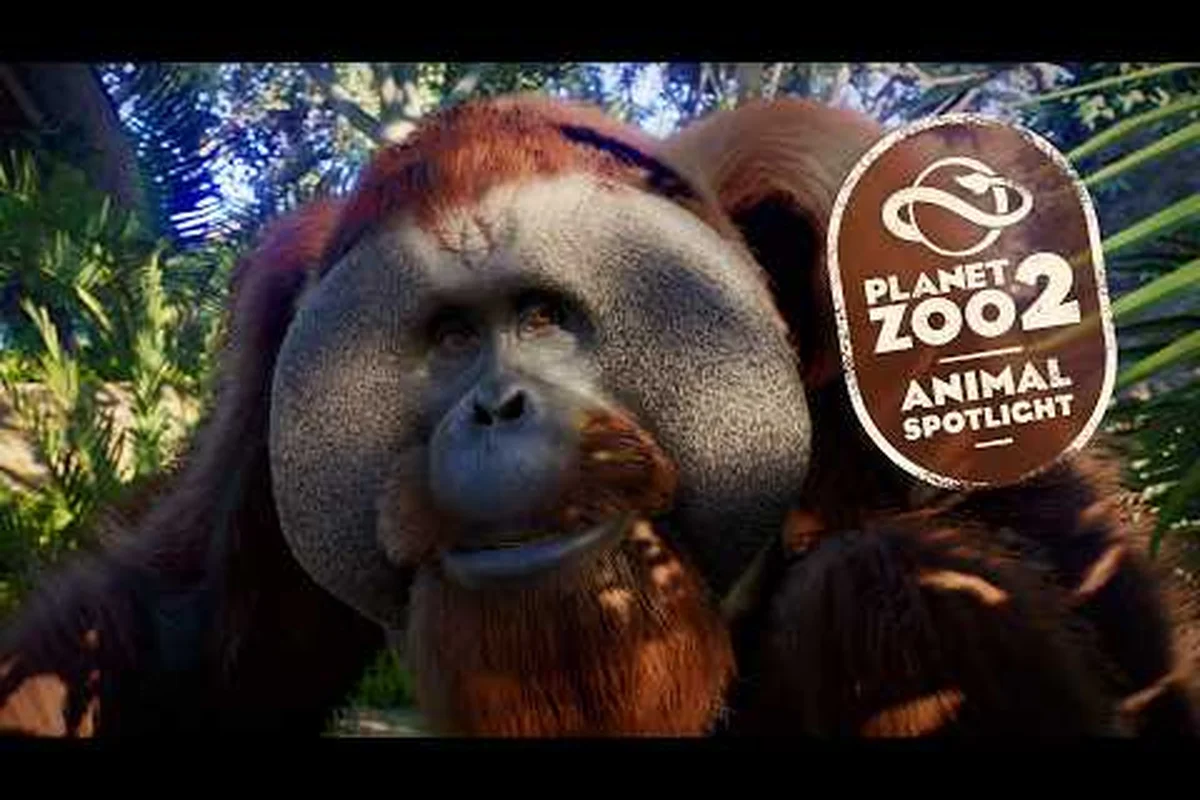
Planet Zoo 2 launched on October 13, 2026, with a confirmed roster of more than 130 species, and the full Planet Zoo 2 animals list now spans every biome from African savannas to deep tropical rivers. This guide breaks down the complete animal roster, highlights the headline new additions, and shows you where aquatic animals and flying animals slot into the new ecosystem for the first time in franchise history.
The Complete Planet Zoo 2 Animals List at Launch
Frontier Developments shipped Planet Zoo 2 with a Day-One roster of 130+ species, a meaningful jump from the original Planet Zoo's base count and the largest launch lineup in the series. The roster combines returning fan favorites with brand-new animals that push the simulation beyond traditional zoo walls, because the new Wildlife Reserves mode lets players release animals into sprawling natural enclosures rather than confining them behind glass.
The animal roster in Planet Zoo 2 is organized by biome and habitat type, which makes the list easier to navigate than a single flat catalog. Each entry in the Zoopedia includes welfare needs, social group size, preferred terrain, and diet type, all of which are critical for designing habitats that keep animals content. Players who want the official interactive version of the roster can browse the Planet Zoo 2 Zoopedia directly on the developer's site, where every species is paired with real-world facts and in-game stat blocks.
| Category | Count (Day One) | New to Planet Zoo 2? | Example Species |
|---|---|---|---|
| Terrestrial Mammals | ~55 | ~12 | Western chimpanzee, black rhinoceros |
| Aquatic Animals | ~15 | ~15 (all new) | Green sea turtle, common carp |
| Flying Animals | ~20 | ~20 (all new) | Javan green magpie, flamingo |
| Reptiles & Amphibians | ~18 | ~5 | Aldabra giant tortoise, panther chameleon |
| Arthropods & Invertebrates | ~12 | ~3 | Goliath birdeater, leaf-cutter ant |
| Exhibit Animals | ~10 | ~5 | Pacific sea nettle, mantis shrimp |
The shift toward fully aquatic and flying animals represents the single biggest mechanical change in the sequel, because both categories required Frontier to build new locomotion, social, and enrichment systems that simply did not exist in the first game. Aquatic animals now swim in deep-water tanks with current simulations, while flying animals perch, roost, and travel in three-dimensional aviaries that span the full vertical space of a habitat box.
Headline New Animals and Returning Fan Favorites
The new additions in Planet Zoo 2 are not cosmetic reskins — each one brings a fresh behavior, a new enrichment need, or an entirely new habitat archetype. Players who pre-ordered or followed the development cycle will recognize a handful of names that Frontier highlighted in pre-launch trailers, while the rest of the roster has been confirmed through the official Zoopedia and community datamining (community-reported findings, last verified October 14, 2026).
Confirmed New Mammals
| Animal | Origin Biome | Key Welfare Need | Social Group |
|---|---|---|---|
| Western chimpanzee | Central African rainforest | Climbing structures, puzzle feeders | 4–8 individuals |
| Black rhinoceros | Southern African savanna | Mud wallows, browse variety | Solitary or breeding pair |
| Baird's tapir | Central American cloud forest | Deep water pool, dense shade | Solitary |
| Pygmy hippopotamus | West African forest | Large water pool, night-cycle lighting | Pair or small group |
| Clouded leopard | Southeast Asian rainforest | Vertical climbing space, elevated platforms | Solitary pair |
The western chimpanzee in particular has drawn heavy community attention, because it is the first great ape in the series with multi-generational social behavior — infants stay with their mothers for an extended in-game period, and troop hierarchy affects which individuals get first access to enrichment items. This is a notable upgrade over the original Planet Zoo's chimpanzee, which used a simpler social model and lacked the new ape-specific toy interactions.
New Aquatic and Semi-Aquatic Animals
| Animal | Habitat Type | Tank Depth Requirement | Diet |
|---|---|---|---|
| Green sea turtle | Fully aquatic saltwater | 3 m minimum | Omnivore |
| Common carp | Freshwater pond | 1.5 m minimum | Omnivore |
| Giant otter | Semi-aquatic | Land + deep pool | Carnivore |
| Axolotl | Cold freshwater exhibit | 0.5 m exhibit tank | Carnivore |
| Whale shark | Large saltwater tank | 6 m minimum, 200,000 L | Planktivore |
Aquatic habitats in Planet Zoo 2 are no longer the small display tanks from the first game, because the new engine supports a fully volumetric water simulation. Players building for the whale shark, for example, must dedicate a stadium-sized building just to satisfy the depth and volume requirements, which makes it one of the most ambitious builds on the entire roster.
New Flying Animals
| Animal | Aviary Type | Wingspan | Group Behavior |
|---|---|---|---|
| Javan green magpie | Tropical forest aviary | 30 cm | Pair |
| Greater flamingo | Open wetland aviary | 1.5 m | Large flock (20+) |
| Andean condor | Mountain aviary | 3.2 m | Solitary or pair |
| Scarlet macaw | Rainforest aviary | 1 m | Pair or small group |
| Peregrine falcon | Cliff aviary | 1.1 m | Solitary pair |
Flying animals bring a new layer of management, because the Aviary is its own building type with mesh roofing, perch density rules, and flight-path zoning. A flock of greater flamingos needs enough horizontal runway to take off and land without colliding with enrichment items, while a peregrine falcon pair requires a tall vertical hunting perch and almost no ground traffic.
Aquatic Animals and How to Build for Them
Planet Zoo 2 aquatic animals are split into three sub-types: fully saltwater, fully freshwater, and semi-aquatic mammals that need both land and water in the same habitat. Each sub-type has its own construction rules, filtration requirements, and guest-viewing considerations, which is why the aquatic roster feels like a mini-game within the broader zoo management loop. According to the official Player Guides hub on animal care, water quality, temperature, and salinity all contribute to the welfare score, and a poorly filtered tank will trigger stress events within a few in-game months.
| Aquatic Sub-Type | Habitat Must Include | Common Mistake to Avoid |
|---|---|---|
| Saltwater (turtle, shark) | Salt mix, chiller, protein skimmer | Forgetting salinity lock |
| Freshwater (carp, otter) | Plant filter, current pump | Overstocking one species |
| Semi-aquatic (giant otter, hippo) | Land zone, water zone, ramp access | Building water deeper than 4 m without dive platform |
The new deep-water engine also means that guests can now view marine life through tunnel walkways and acrylic panels, which is a major visual upgrade over the original Planet Zoo's flat aquarium walls. Players who want to dive into the full care loop for marine species should pair this list with a deeper reading on Planet Zoo 2 animal welfare and food systems, because diet type and feeding time directly affect the welfare bar of every aquatic animal on the roster.
Flying Animals and Aviary Construction
Planet Zoo 2 flying animals are the other brand-new pillar of the launch roster, and they require a building type that did not exist in the original game: the walk-through or behind-glass Aviary. The Aviary uses a flexible mesh roof, supports multiple perching levels, and lets guests enter the habitat through a one-way airlock so that birds do not escape. Building a successful Aviary comes down to three variables — perch density, flight-path clearance, and species compatibility — because mixing a predatory falcon with a flock of small passerines will end with the flock gone within minutes.
| Aviary Variable | Recommended Range | Effect When Wrong |
|---|---|---|
| Perch count per bird | 1.5–2.0 | Feather-plucking stress |
| Minimum flight corridor | 8 m wide × 4 m tall | Mid-air collisions |
| Mixed-species tolerance | Strict (check Zoopedia) | Predation events |
| Ambient sound level | 30–50 dB | Breeding suppression |
A flock of greater flamingos is the most beginner-friendly flying animal on the roster, because it tolerates mixed-species company and only needs a wide, shallow wetland. By contrast, the Andean condor is one of the hardest flying animals to keep happy, with a 3.2 m wingspan that demands a building tall enough for full takeoff runs. Players who want the full breeding loop for aviary species can check the Planet Zoo 2 breeding and enrichment guide for perching and nesting toys that raise the welfare bar during mating season.
New Additions, Roster Highlights, and Where the Western Chimpanzee Fits
The full Planet Zoo 2 animal roster is dominated by terrestrial mammals, but the new additions are deliberately weighted toward apes, large cats, and the conservation-critical megafauna that players asked for during the original game's lifecycle. The western chimpanzee sits at the top of that wishlist, because it is the first ape in the franchise with a multi-generational social model that includes juvenile dependency periods, male coalition behavior, and tool-use enrichment puzzles. This is a major upgrade over the original Planet Zoo chimpanzee, and it positions the western chimpanzee as the flagship new mammal in the Day-One roster.
| Tier | Headliner Species | Why It Stands Out |
|---|---|---|
| Flagship new mammal | Western chimpanzee | Multi-generational social behavior |
| Flagship new aquatic | Whale shark | Largest tank requirement in the game |
| Flagship new flying | Andean condor | Largest wingspan, hardest aviary build |
| Returning favorite | African elephant | Carryover from Planet Zoo, expanded social AI |
| Returning favorite | Bengal tiger | New coat-pattern genetics system |
Community datamining shortly after launch suggested that Frontier plans to add 15–20 more species through the Year 1 DLC pipeline, including rumored additions like the snow leopard and the giant panda (reported by players, unconfirmed as of October 14, 2026). For the long-term picture, players interested in the genetics and trading systems that will govern those future additions can read the Planet Zoo 2 animal genetics and trading guide to understand how breeding outcomes will affect the eventual market for rare species.
Where the Roster Goes From Here
The Day-One Planet Zoo 2 animal roster of 130+ species is the largest in franchise history, and the addition of fully aquatic and flying animals is the single biggest mechanical expansion since the original Planet Zoo launched in 2019. Players who want the full picture beyond this list should bookmark the official Planet Zoo 2 Zoopedia, which Frontier updates in real time as new species are added through post-launch patches. For a deeper look at how every species on this roster behaves in the new welfare system, the Planet Zoo 2 animal roster and care guide covers social needs, enrichment items, and breeding outcomes in detail.
Frequently Asked Questions
How many animals are in Planet Zoo 2 at launch?
Planet Zoo 2 launched on October 13, 2026 with 130+ species, making it the largest roster in franchise history. The count includes brand-new categories like fully aquatic and flying animals, neither of which existed in the original Planet Zoo.
What are the new animals in Planet Zoo 2?
The headline new additions include the western chimpanzee, the black rhinoceros, the Baird's tapir, the pygmy hippopotamus, and the clouded leopard on the terrestrial side, plus the green sea turtle, common carp, giant otter, axolotl, and whale shark for aquatic builds, and the Javan green magpie, greater flamingo, Andean condor, scarlet macaw, and peregrine falcon for aviaries.
Does Planet Zoo 2 have aquatic animals?
Yes, Planet Zoo 2 is the first game in the series with fully aquatic animals, including sharks, sea turtles, and large freshwater fish. Each aquatic species has its own tank depth, salinity, and filtration requirements, and guests can view marine life through acrylic tunnels for the first time.
Does Planet Zoo 2 have flying animals?
Yes, Planet Zoo 2 introduces flying animals as a new category, with over 20 bird species available at launch. They require a new Aviary building type with mesh roofing, perches, and flight-path zoning to keep the welfare bar high.
Why is the western chimpanzee a flagship new animal?
The western chimpanzee is the first great ape in the series with multi-generational social behavior, including extended juvenile dependency, male coalitions, and tool-use enrichment puzzles. It is widely regarded as the headline new mammal on the Day-One roster because of how much its behavior system differs from the original Planet Zoo chimpanzee.