
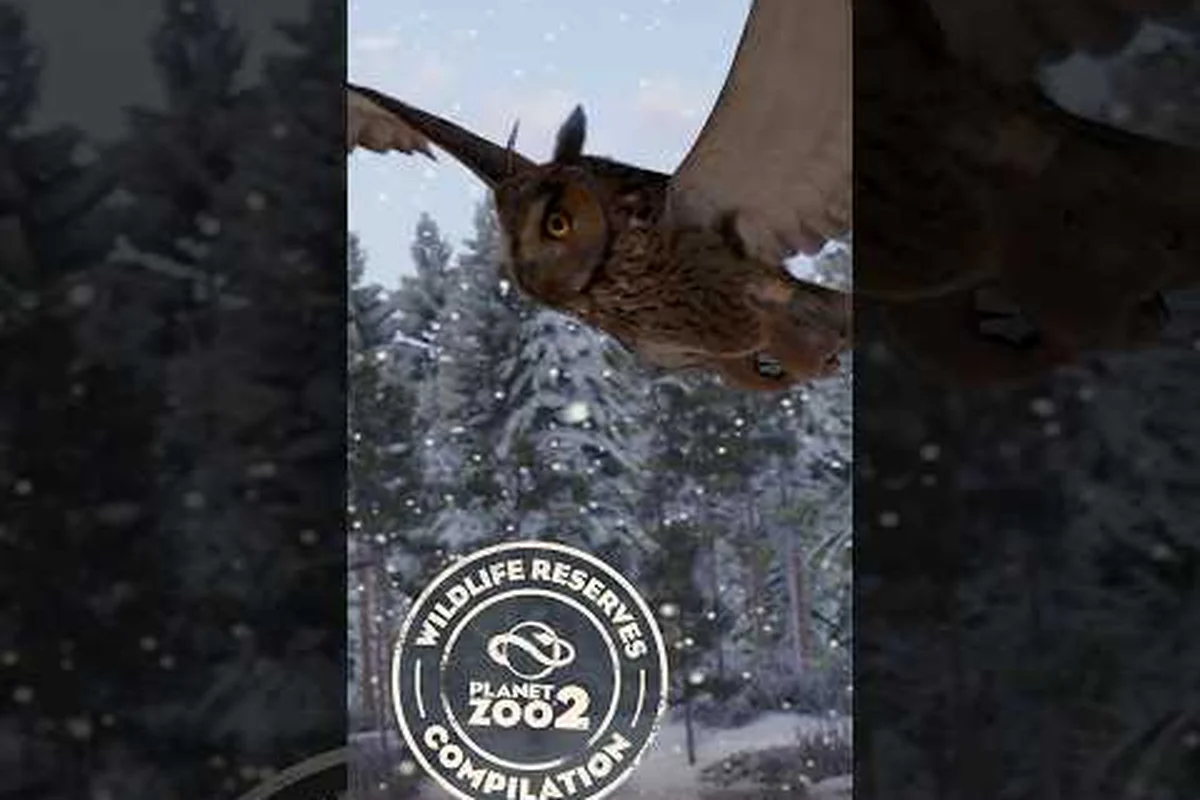
Releasing animals back into the wild is the most rewarding conservation loop in Planet Zoo 2, yet many players stall because they misunderstand how reserve readiness, genetics, and education synergize. This guide breaks down the exact breeding, release, and education board mechanics that turn a modest breeding program into a steady stream of conservation credits. l because they misunderstand how reserve readiness, genetics, and education synergize. This guide breaks down the exact breeding, release, and education board mechanics that turn a modest breeding program into a steady stream of conservation credits, while the timing and bonus structures of Planet Zoo 2 Conservation Events reveal how to multiply those credits during limited-time windows.
Understanding the Rewilding Release Pipeline
The rewilding system in Planet Zoo 2 connects three separate mechanics: animal welfare, genetic diversity, and reserve capacity. Before you can release any animal, the game checks whether that individual meets the release eligibility threshold, which combines health, age, and genetic quality into a single hidden score. According to the official Planet Zoo 2 features page, the "Nurture, Release & Conserve" loop is designed to push players toward long-term population management rather than quick turnover.
The most common mistake new conservation coordinators make is treating release as a dump stat for surplus animals. In practice, reserve animals with poor genetics lower your overall conservation rating, while high-quality releases generate substantially more credits. Community testing suggests that a genetically strong animal with full welfare can produce up to three times the credits of a baseline individual, although exact multipliers vary by species rarity.
Release Eligibility and Reserve Capacity
Each Wildlife Reserve has a finite carrying capacity that scales with the reserve's size and habitat quality — a small temperate woodland plot might support only 6–8 animals, while a fully upgraded savanna reserve can hold 30 or more. When you attempt to release an animal, the game evaluates four core factors:
| Factor | Weight | Impact on Release Score |
|---|---|---|
| Genetic Quality | High | Direct multiplier on credits earned |
| Age at Release | Medium | Young adults score highest; seniors score lower |
| Welfare History | Medium | Consistent welfare boosts final score |
| Species Rarity | Variable | Endangered species multiply base credits |
The release score is not shown directly in the UI, but players can infer it from the credit preview before confirming a release. If the preview shows a low number, hold the animal back and improve its welfare or wait for a better genetic match.
Why Breeding for Release Beats Random Release
Randomly releasing animals as they age out of your zoo is inefficient. A structured breeding program that targets specific genetic traits produces animals with high release value and ensures your reserve populations remain genetically diverse. The key is to rotate breeding pairs frequently and avoid inbreeding, which tanks genetic quality across generations.
Building a Breeding Program for Release
Breeding for release in Planet Zoo 2 requires a different mindset than breeding for exhibit appeal. Instead of chasing rare color morphs or maximum size, you want to maximize genetic diversity and produce as many healthy offspring as possible within a species' reproductive window. This means managing breeding pairs carefully and culling low-quality individuals before they consume resources.
The most effective approach is to maintain a breeding stock of 4-6 genetically strong adults per species, then rotate offspring into reserve release as soon as they reach young adulthood. This keeps your zoo population stable while continuously feeding the reserve system.
Genetic Diversity Management
Genetic diversity is the single most important factor in breeding for release. The game tracks genetic lineage across multiple generations, and inbreeding penalties compound quickly if you repeatedly pair related animals — offspring born from close relatives show markedly reduced genetic fitness scores, which directly lowers their survival odds once released into the wild. To avoid this, implement a simple rotation system: keep a studbook-style log of every pairing, retire breeding males after two or three litters, and stagger female breeding cycles so no single male dominates your gene pool. For example, a red panda habitat with one dominant male will show fertility decline by generation three, whereas rotating in an unrelated market-purchased male every 3-4 generations keeps offspring viability high enough for successful rewilding.
-
Tag every breeding animal with a unique identifier in your mental roster
-
Never pair siblings or parent-child combinations
-
Introduce new genetic stock from the animal market every 3-4 generations
-
Prioritize animals with high genetic fitness scores when purchasing new stock
The official Planet Zoo 2 animal guide emphasizes that each species has unique needs and behaviors, which means breeding strategies must adapt per species. A fast-breeding small mammal requires different rotation timing than a slow-reproducing large predator.
Species Selection for Maximum Conservation Credits
Not all species are equally valuable for rewilding. Endangered species generate significantly more conservation credits per release, but they also require more careful management due to smaller population sizes and stricter welfare requirements. The table below compares release value across common species categories:
| Species Category | Breeding Speed | Release Credit Multiplier | Management Difficulty |
|---|---|---|---|
| Critically Endangered | Slow | 3.0x | High |
| Endangered | Medium | 2.2x | Medium-High |
| Vulnerable | Medium-Fast | 1.5x | Medium |
| Near Threatened | Fast | 1.1x | Low |
| Least Concern | Fast | 0.8x | Low |
While planet zoo 2 endangered animal conservation focuses on the highest-multiplier species, a balanced program that includes faster-breeding vulnerable species provides steady credit flow while your endangered populations grow. For example, pairing a slow-breeding critically endangered species like the Amur leopard (3.0x multiplier, ~12–18 month gestation cycle in-game) with vulnerable red pandas or pangolins (1.5x multiplier, breeding roughly twice as fast) means you can schedule breeding for release rotations every few in-game months instead of waiting out long cooldowns. This hybrid approach also stabilizes your conservation education displays—guests consistently encounter active habitats, keeping education board engagement ratings high rather than spiking and crashing with single-species release cycles.
Education Boards and Conservation Education Synergy
Education boards are not decorative. In Planet Zoo 2, conservation education directly influences guest awareness, which in turn affects your zoo's conservation rating and the speed at which you unlock higher-tier release options. Placing education boards near habitats with endangered or released species creates a feedback loop that amplifies your rewilding efforts.
The mechanic works through guest education levels. When guests view an education board, their awareness of that species increases, which boosts the conservation contribution of that habitat. Higher conservation contributions unlock better reserve options and increase the baseline credit value of all releases from that zoo.
Optimal Education Board Placement
Placement matters more than quantity because education board effectiveness in Planet Zoo 2 is tied to how often guests actually stop and read rather than how many boards exist in a habitat. A single well-placed board near a high-traffic viewing area outperforms three boards tucked in corners, since each viewing session contributes to the conservation education rating that ultimately supports rewild animal release programs. The best locations are:
-
Directly adjacent to habitat viewing windows
-
Along main guest pathways between habitats
-
Near entrance plazas where guest density peaks
-
Beside donation boxes for species-specific conservation funds
The education board radius is generous, but line-of-sight matters. Guests must actually stop and view the board for the education effect to trigger, which means boards placed where guests naturally pause—near food courts, rest areas, or queue lines—perform best.
Education Board Content Strategy
Each education board can focus on a specific species or conservation theme, and matching board content to nearby habitats maximizes the education effect because guests absorb information most readily when the visual exhibit reinforces the written message. For example, placing a Species Fact Sheet beside a red panda habitat in your rewilding reserve drives single-species awareness gains that translate directly into higher release credit multipliers for that animal, while a Genetic Diversity board near your breeding facilities improves breeding program efficiency by educating guests about the importance of maintaining healthy gene pools for endangered animal conservation. The table below shows effective board-to-habitat pairings:
| Board Theme | Best Placement | Education Effect |
|---|---|---|
| Species Fact Sheet | Adjacent to matching habitat | High single-species awareness |
| Habitat Conservation | Near mixed-species exhibits | Broad awareness across species |
| Release Program Info | Near reserve entrance or exit | Boosts release credit multiplier |
| Genetic Diversity | Near breeding facilities | Improves breeding program efficiency |
Rotating board themes as your zoo evolves keeps education levels climbing because the guest education meter decays over time, and a static board setup plateaus quickly once visitors who have already viewed a board gain diminishing returns on repeat visits. In practice, swapping a Species Fact Sheet for a Release Program Info board near your reserve entrance after a rewilding milestone shifts the education focus from habitat awareness to conservation credit generation, which sustains the release credit multiplier instead of letting it stall. Pairing this rotation with new habitat construction — such as introducing a second endangered species to your rewilding reserve — gives returning guests fresh board content to absorb, while the Genetic Diversity board near breeding facilities can be cycled to a Habitat Conservation board once your breeding program stabilizes, preventing the breeding efficiency bonus from becoming redundant.
Advanced Reserve Management Strategies
Once your breeding program is producing steady offspring, the bottleneck shifts to reserve management. Each Wildlife Reserve has limited slots, and filling them with low-value animals blocks space for better releases. This is where strategic culling and reserve rotation become essential.
The reserve system in Planet Zoo 2 is not a permanent storage solution. Animals released to reserves continue to age and reproduce, which means reserve populations grow over time. Without management, a reserve can become overcrowded, reducing the welfare of all resident animals and lowering the value of future releases.
Reserve Population Control
Effective reserve management requires periodic review of resident populations, because a reserve that drifts out of balance will quietly stall your rewilding pipeline — animals age, breeding slows, and genetic lines narrow before welfare alerts ever fire. The key metrics to monitor are:
-
Reserve carrying capacity versus current population
-
Genetic diversity of the reserve breeding pool
-
Age distribution across resident animals
-
Species balance to avoid overrepresentation
When a reserve approaches its carrying capacity, prioritize releasing animals that contribute the most genetic diversity to the target wild population — a female with a rare allele can improve a receiving habitat's breeding pool far more than a common-lineage male, even if both carry the same conservation rating. Older animals with declining welfare should be cycled out first, because their fertility drop and rising medical costs silently consume keeper time and food budgets that younger, healthier releases need during their pre-transport quarantine and final health screening.
Conservation Credit Optimization
Conservation credits are the primary currency for advancing your rewilding program. The official Planet Zoo 2 game modes page describes how career mode tasks you with improving zoos worldwide, and conservation credits are central to that progression. Maximizing credit income requires stacking multiple multipliers:
| Credit Source | Multiplier Type | Stacking Potential |
|---|---|---|
| High genetic quality | Base multiplier | Stacks with all other sources |
| Endangered species | Species multiplier | Stacks with genetic multiplier |
| Education level | Zoo-wide multiplier | Applies to all releases |
| Reserve health | Reserve multiplier | Applies to reserve releases |
| Conservation projects | Project multiplier | Temporary boost during active projects |
Stacking these multipliers is the difference between earning 50 credits per release and earning 300+. The most successful conservation programs in the community report that education level is the most overlooked multiplier because players focus on genetics while ignoring guest awareness.
Frequently Asked Questions
How do I unlock Wildlife Reserves for rewilding animals?
Wildlife Reserves unlock through career progression and conservation milestones. You need to complete the initial conservation coordinator tasks, then reach a minimum conservation rating before reserve access opens. The exact threshold varies by game mode, but franchise mode typically requires a higher rating than sandbox.
What makes an animal eligible for release?
An animal must reach young adulthood, maintain good welfare for a sustained period, and meet a minimum genetic quality threshold. The game evaluates health, age, and genetic diversity when calculating release eligibility. Animals with poor welfare history or severe inbreeding penalties may be permanently ineligible until their conditions improve.
Do education boards actually increase conservation credits?
Yes, education boards raise guest awareness, which boosts your zoo's conservation rating and applies a multiplier to all release credits. The effect is cumulative across multiple boards and species, but placement quality matters more than raw quantity. Boards near high-traffic viewing areas generate the strongest education effects.
Can I release animals from any zoo or only specific ones?
Any zoo with access to the reserve system can release animals, but the reserve must have available capacity. Career mode zoos often have restricted reserve access until you complete specific conservation objectives. Franchise mode allows more flexibility but requires higher conservation ratings to unlock the best reserves.
How often should I rotate breeding pairs?
Rotate breeding pairs every 2-3 generations to prevent inbreeding penalties from compounding. Fast-breeding species need more frequent rotation than slow-reproducing species. Always introduce new genetic stock from the animal market when available, and avoid pairing any animals that share grandparents.