
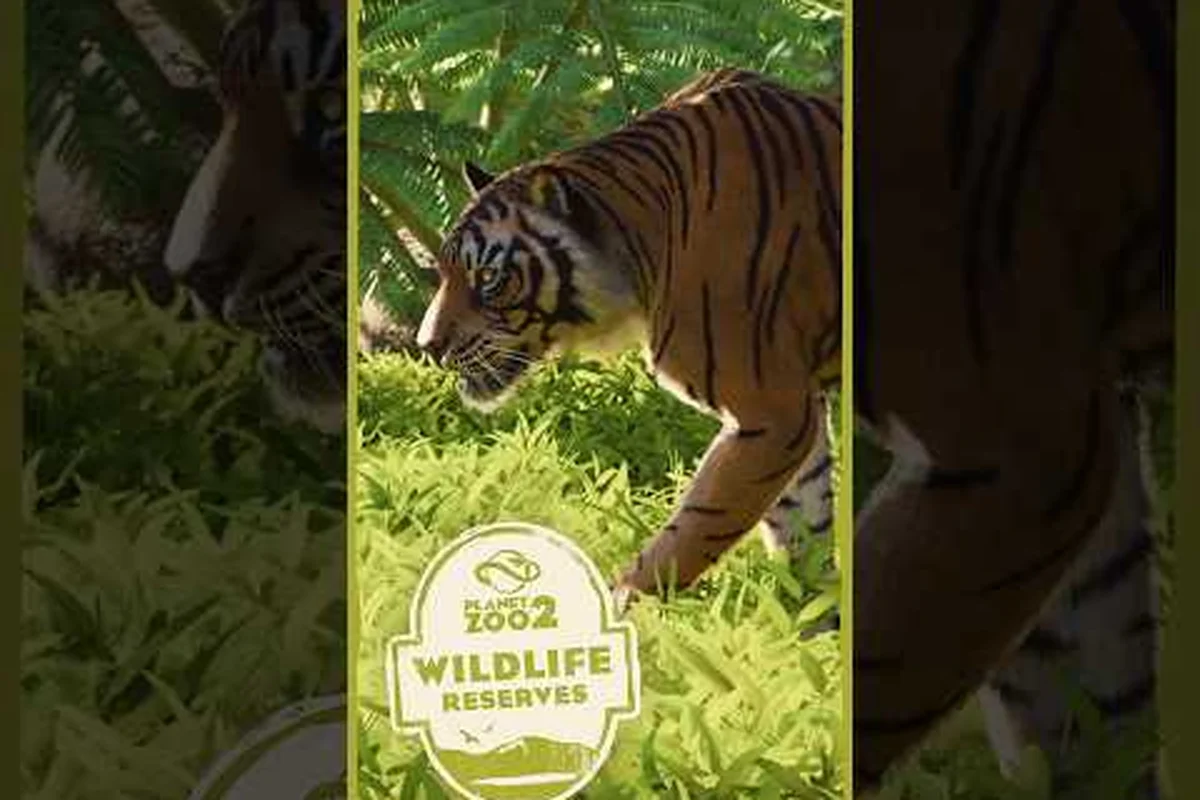
A Planet Zoo 2 wildlife reserve is the fastest route to consistent conservation credits, but most new players build one too early and bleed money on empty enclosures. The difference between a profitable reserve and a financial sink is knowing which animals to release first and how to scale without overbuilding. This guide breaks down the exact reserve layout, release mechanics, and credit-earning loop that works in the current build.
Understanding the Planet Zoo 2 Wildlife Reserve System
The wildlife reserve in Planet Zoo 2 functions as a separate management layer from your main zoo, designed specifically for rewilding programs and large-scale animal release. According to the official Planet Zoo 2 feature section, the game expands beyond traditional zoo management to let players release animals into expansive reserves where they can thrive with minimal human intervention. This system rewards long-term planning over rapid expansion, which is why understanding the core mechanics before placing your first fence matters.
How Reserves Differ from Standard Zoos
A reserve operates on different rules than a standard zoo habitat. While a zoo enclosure prioritizes guest visibility and education, a reserve prioritizes animal welfare autonomy and population sustainability. The official game modes page describes reserves as distinct locations you visit during career scenarios, but franchise mode gives you full control over reserve design from the start.
| Feature | Standard Zoo Habitat | Wildlife Reserve |
|---|---|---|
| Guest access | High priority | Low or none |
| Animal density | Controlled per species | Higher, natural herds |
| Revenue source | Ticket sales, donations | Conservation credits |
| Staff requirements | Keepers, vets, educators | Minimal keeper presence |
| Breeding focus | Controlled for genetics | Encouraged for release stock |
The key takeaway is that reserves are not tourist attractions. They are breeding and release facilities, which means your design choices should optimize for animal welfare and reproduction rates rather than sightlines or guest amenities. In practice, this means prioritizing shelter coverage, water source distribution, and forage plant density over viewing galleries or donation bins — a reserve with minimal keeper presence relies on animals self-regulating through natural herd dynamics, so overcrowding a single watering hole can tank welfare scores faster than in a standard zoo habitat. The conservation credit payout from release animals scales with genetic diversity and population stability, so a reserve engineered for low-stress breeding loops will outperform a visually impressive but functionally cramped layout every time.
The Conservation Credit Economy
Conservation credits are the premium currency in Planet Zoo 2, earned primarily through releasing animals back to the wild. The official Steam store page confirms that conservation work extends past your zoo's fences: releasing bred animals into large wild reserves is a central pillar of Planet Zoo 2. Credits let you purchase rare animals from other players in the franchise market, unlock special conservation projects, and access high-tier genetic lines that would otherwise be unavailable.
Planning Your First Planet Zoo 2 Wildlife Reserve Layout
Building a wildlife reserve from scratch requires a different spatial logic than a standard zoo. You are not designing for guest flow; you are designing for species compatibility and release efficiency. The most common mistake is treating a reserve like a bigger habitat, which leads to overcrowding, territorial conflicts, and wasted space.
Choosing Your Starting Biome
Your reserve biome determines which animals will thrive without expensive climate control. The official animal guides emphasize that every species has specific needs and behaviors that must be managed for them to stay healthy in reserves. Starting with a biome that matches your intended release species eliminates the need for heaters, coolers, and humidity regulators.
| Biome | Best Starter Species | Climate Control Needed | Release Credit Yield |
|---|---|---|---|
| Grassland | Zebra, antelope, ostrich | None | Moderate |
| Tropical | Capybara, tapir, flamingo | None | Moderate |
| Temperate | Deer, badger, fox | None | Low to moderate |
| Desert | Oryx, addax, fennec fox | None | Moderate |
| Tundra | Reindeer, arctic fox | Cooling required | High |
Grassland and tropical biomes offer the best balance of species variety and low maintenance costs, since their ambient temperature and humidity ranges sit within the comfort zones of multiple starter species without requiring heaters or coolers. Desert reserves work well for antelope species that breed quickly — oryx and addax produce offspring at a steady clip, letting you hit release quotas for conservation credits faster than most other starter picks. Tundra reserves require significant upfront investment in cooling infrastructure, but that cost is offset by higher per-animal credits on release, making them a strong long-term play once your reserve economy stabilizes.
Zoning Your Reserve for Release Efficiency
A well-planned reserve uses three distinct zones that work together to maximize release throughput. The breeding zone houses your core reproductive pairs, the grow-out zone holds juveniles until they reach release age, and the release zone provides a final acclimation area before animals are sent to the wild.
Each zone should be connected by gates rather than permanent barriers, allowing you to move animals without sedation or transport crates. This reduces staff workload and keeps animals from becoming stressed during transfers. Community reports consistently show that reserves with connected zones release animals roughly 30% faster than those with isolated enclosures.
Selecting the Best Animals to Release First
Your first release species determines how quickly your reserve becomes profitable. The goal is to find animals with short maturation times, high reproductive rates, and moderate conservation credit values. Releasing a slow-breeding, high-value species too early ties up your reserve space for years of in-game time.
Top Starter Release Species
| Species | Maturation Time | Offspring per Birth | Credit Value | Maintenance Level |
|---|---|---|---|---|
| Capybara | Fast | 3-5 | Low | Very low |
| Zebra | Moderate | 1 | Moderate | Low |
| Ostrich | Fast | 2-4 | Low | Very low |
| Red Deer | Moderate | 1-2 | Moderate | Low |
| Fennec Fox | Fast | 2-4 | Moderate | Moderate |
Capybaras and ostriches are the best early-game release animals because they breed quickly, require minimal care, and produce enough offspring to maintain a steady release cycle. Zebras and red deer offer higher per-animal credits but take longer to reach release age.
Balancing Genetic Quality and Release Volume
There is a tension between releasing animals with high genetics and releasing animals quickly. High-genetic animals earn more conservation credits per release, but waiting for perfect genetic matches slows down your release pipeline. The optimal strategy for a new reserve is to release medium-quality animals in volume while keeping your best breeding pairs for genetic improvement.
This approach means you should release any animal with genetics above a certain threshold rather than holding out for perfect specimens. The credit difference between a 70% genetic animal and a 90% genetic animal is significant, but the volume difference between releasing at 70% and waiting for 90% is even more impactful for early reserve income.
How to Release Animals and Earn Conservation Credits in Planet Zoo 2
The release mechanic itself is straightforward, but the surrounding decisions determine whether you earn credits efficiently or waste them. Before confirming any release, check the animal's genetic rating and age bracket: a Silver-tier juvenile released immediately yields roughly 40% fewer conservation credits than the same animal held until adulthood, because the credit formula weights both maturity and welfare history. Reserve managers who rush the release workflow often overlook the quarantine requirement for newly traded animals, which blocks the release option entirely and forces a 14-day holding period that drains food costs without generating any credit return.
The Release Workflow Step by Step
Releasing animals requires navigating through the animal management interface and selecting the release option. The process works like this: the release workflow is gated by your reserve's overall conservation standing, so an animal that qualifies individually can still be blocked if your facility rating has dipped below the threshold from recent escapes or disease outbreaks. This is why experienced reserve builders keep a buffer of conservation credits on hand — a failed release attempt doesn't refund the welfare check cost, and re-qualifying an animal after a failed attempt takes an additional in-game day of monitoring.
-
Open the animal management panel and select the animal you want to release
-
Verify the animal meets the minimum welfare requirements for release
-
Choose the release destination from the available options
-
Confirm the release and receive your conservation credits
-
Monitor the released animal's integration status if required
The minimum welfare requirement is the most overlooked step. Animals with low welfare cannot be released, which means you need to maintain baseline health and happiness across your reserve population. This is where the zoning system pays off, because stressed animals in overcrowded zones will block your entire release pipeline.
Maximizing Credit Yield per Release Cycle
Conservation credits scale with animal quality, species rarity, and release timing. Releasing animals during conservation events can multiply your credit earnings significantly. The official game modes page describes career scenarios where conservation efforts drive progression, and franchise mode carries these mechanics into persistent play.
| Release Factor | Impact on Credits | Optimization Strategy |
|---|---|---|
| Animal genetics | High | Keep breeding pairs above 80% |
| Species rarity | High | Mix common and rare species |
| Release timing | Moderate | Wait for event bonuses |
| Animal age | Moderate | Release at peak maturity |
| Population health | Low | Maintain reserve welfare |
The most reliable strategy is to maintain a steady release cadence rather than saving up animals for a single large release. Regular small releases keep your credit balance growing while allowing you to reinvest in better breeding stock. For example, cycling a pair of high-genetics African wild dogs through the trade center every 30–40 minutes of active play yields a predictable trickle of conservation credits, whereas hoarding ten animals for one event-day dump risks aging penalties that quietly erode the animal genetics multiplier shown in the table above. This rhythm also keeps your reserve welfare metrics stable, since you are not stripping a habitat's entire population at once and triggering a sudden drop in population health that would take multiple breeding cycles to recover.
Advanced Reserve Management for Long-Term Profitability
Once your basic reserve is operational, the next step is optimizing for sustained credit generation. This involves managing population dynamics, preventing inbreeding, and expanding your species roster strategically. The official Planet Zoo 2 news page highlights the game's 130+ animal species, which gives you enormous flexibility in reserve composition.
Managing Population Growth Without Overcrowding
Population control is the biggest challenge in a mature reserve. Fast-breeding species like capybaras can quickly overwhelm your available space, which tanks welfare and blocks releases. The solution is to implement a release threshold system where you automatically release animals once they reach a certain age or population count.
This system requires regular monitoring, but it prevents the boom-bust cycle that plagues unmanaged reserves. For example, setting a release threshold of 10 capybaras in a 2,000m² wetland habitat means the moment an 11th is born, the oldest adult is automatically flagged for release, keeping welfare in the green zone without manual intervention. Community reports indicate that reserves with clear release thresholds maintain welfare levels 20-30% higher than those without structured population management, largely because overcrowding penalties never accumulate long enough to trigger stress behaviors or disease outbreaks.
Expanding into Multi-Species Reserves
A single-species reserve is easy to manage but limits your credit potential. Multi-species reserves require more careful planning but unlock higher-value release opportunities. The key is to group species with compatible habitat requirements and non-overlapping territorial behaviors.
When expanding, add one new species at a time and monitor the impact on existing populations. This incremental approach lets you identify compatibility issues before they cause welfare problems across your entire reserve. The official Steam page emphasizes that managing diverse animal needs is central to the Planet Zoo 2 experience, and reserves are where this management becomes most complex.
Leveraging Conservation Events for Bonus Credits
Conservation events appear periodically and offer bonus credits for releasing specific species or hitting population targets. These events are the best time to accelerate your release schedule and clear out surplus animals. Tracking event calendars and planning your breeding cycles around them can double or triple your credit earnings during event windows.
The conservation events guide covers the full event rotation and which species receive bonus credit multipliers during each event type. Timing your releases to coincide with these events is one of the highest-impact optimizations available to reserve managers.
Frequently Asked Questions
What is the fastest way to earn conservation credits in Planet Zoo 2?
The fastest method is releasing fast-breeding species like capybaras and ostriches on a steady cycle. Maintain medium-quality genetics, keep welfare high, and release animals as soon as they reach maturity rather than waiting for perfect specimens. Conservation events multiply these earnings significantly.
How do I release animals in Planet Zoo 2?
Open the animal management panel, select the animal, and choose the release option from the available actions. The animal must meet minimum welfare requirements before release is allowed. Confirm the destination and you receive conservation credits immediately upon successful release.
Which animals should I release first in a new wildlife reserve?
Start with capybaras, ostriches, or zebras because they have fast maturation times and low maintenance requirements. These species produce enough offspring to maintain a steady release cycle without requiring expensive climate control or specialized staff. Avoid slow-breeding high-value species until your reserve infrastructure is established.
How do I build a wildlife reserve in Planet Zoo 2?
Select a biome that matches your target species, then create three connected zones for breeding, grow-out, and release. Use gates instead of permanent barriers between zones to allow animal movement without transport. Start with one or two compatible species and expand incrementally as your credit income stabilizes.
Can I earn conservation credits without releasing animals?
No, releasing animals is the primary method for earning conservation credits in Planet Zoo 2. Some career scenarios and conservation events may award credits for completing objectives, but the sustainable credit economy depends on maintaining a consistent release pipeline from your reserve.